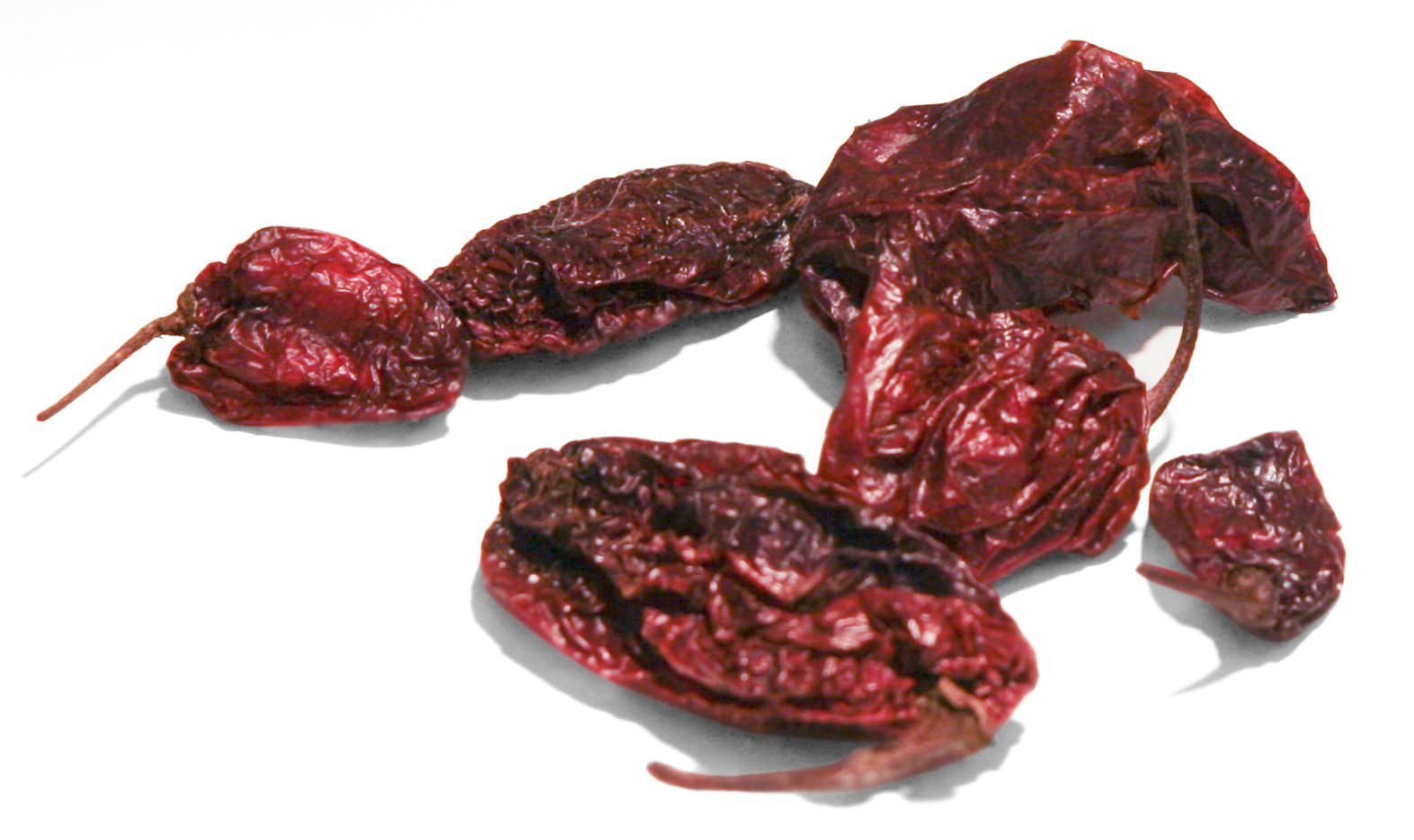
Dry pepper adds a burst of fiery flavor to dishes, enhancing the taste profile with its intense heat. Whether you’re a spice enthusiast or simply seeking to elevate your culinary creations, understanding the unique characteristics of dry pepper can take your cooking skills to a whole new level. From cayenne to ghost pepper, the world of dry pepper offers a wide range of options to experiment and play with. Let’s dive into the fascinating world of dry pepper and discover its potential to transform your meals into unforgettable culinary experiences.

The Wonderful World of Dry Pepper: Exploring its Flavors, Varieties, and Health Benefits
Welcome to the fascinating universe of dry pepper, a versatile spice that has been a staple in kitchens around the world for centuries. In this detailed guide, we will delve into the origins, flavors, varieties, and health benefits of this fiery ingredient. So, grab a seat, get ready to spice up your life, and let’s embark on a flavorful journey through the world of dry pepper!
The Origins of Dry Pepper
Dry pepper, commonly known as black pepper, is derived from the fruit of the Piper nigrum vine, native to the Malabar region of India. This spice has a rich history dating back to ancient times when it was highly prized for its pungent flavor and medicinal properties. The popularity of dry pepper spread along the ancient trade routes, reaching Europe and other parts of the world, where it became a coveted commodity.
The Flavors of Dry Pepper
One of the most distinctive characteristics of dry pepper is its bold, spicy flavor that can vary in intensity depending on the variety and processing method. When ground, dry pepper releases a warm, earthy aroma that adds depth and complexity to a wide range of dishes. Whether used whole or crushed, dry pepper can elevate the taste of soups, stews, meats, and vegetables, making it a versatile seasoning for both savory and sweet recipes.
Exploring the Different Varieties of Dry Pepper
There are several varieties of dry pepper available, each with its unique flavor profile and culinary uses. Some of the most popular varieties include:
1. Tellicherry Pepper
Tellicherry pepper is renowned for its large size and bold, fruity flavor. It is often considered the highest quality black pepper and is prized by chefs for its rich aroma and robust taste.
2. Malabar Pepper
Malabar pepper is known for its complex flavor profile, featuring a balance of heat and citrusy notes. This versatile pepper is a favorite in Indian cuisine and pairs well with a variety of spices.
3. Sarawak Pepper
Sarawak pepper hails from the Malaysian state of Sarawak and is distinguished by its mild heat and hints of floral and fruity undertones. It is often used in seafood dishes and stir-fries.
4. Lampong Pepper
Lampong pepper, originating from Indonesia, is prized for its bold, spicy kick and lingering heat. It is a favorite in Indonesian and Southeast Asian cuisines, adding a fiery touch to curries and marinades.
The Health Benefits of Dry Pepper
Besides its culinary uses, dry pepper also offers a myriad of health benefits due to its rich antioxidant and antimicrobial properties. Some of the health benefits of including dry pepper in your diet include:
1. Improved Digestion
Dry pepper stimulates the secretion of digestive enzymes, aiding in the digestion of food and reducing bloating and indigestion.
2. Anti-Inflammatory Properties
The active compound in dry pepper, piperine, has been shown to have anti-inflammatory properties that may help reduce inflammation and alleviate pain.
3. Enhanced Nutrient Absorption
Piperine in dry pepper can enhance the absorption of essential nutrients like vitamins and minerals, making your meals more nutritious and beneficial for overall health.
4. Weight Management
Studies suggest that piperine in dry pepper may help boost metabolism and aid in weight management by increasing calorie burn and fat breakdown.
Cooking Tips and Tricks with Dry Pepper
Now that you’re well-versed in the wonders of dry pepper, let’s explore some cooking tips and tricks to make the most of this versatile spice:
1. Toasting Whole Peppercorns
For a more intense flavor, try toasting whole peppercorns in a dry skillet before grinding them. This process enhances the aroma and releases the essential oils, elevating the taste of your dishes.
2. Pairing with Other Spices
Experiment with combining dry pepper with other spices like cumin, coriander, or turmeric to create unique flavor profiles that will tantalize your taste buds.
3. Using in Marinades and Rubs
Add dry pepper to marinades and rubs for meats and vegetables to infuse them with a rich, peppery flavor that will take your dishes to the next level.
4. Grinding Freshly for Maximum Flavor
For the freshest and most robust flavor, grind dry pepper just before using it in your recipes. Invest in a quality pepper mill to ensure a consistent grind and optimal flavor release.
In conclusion, dry pepper is a versatile spice that adds depth, complexity, and health benefits to a wide range of dishes. Whether you prefer the bold kick of Tellicherry pepper or the floral notes of Sarawak pepper, incorporating dry pepper into your cooking repertoire can elevate your culinary creations to new heights. So, next time you reach for the spice rack, don’t forget to give dry pepper a starring role in your kitchen adventures!
What’s your favorite way to use dry pepper in your cooking? Share your tips and recipes in the comments below!
Expert's Guide to Dried Chiles
Frequently Asked Questions
What is dry pepper?
Dry pepper is a type of pepper that has been dehydrated to remove the moisture content, resulting in a shriveled and preserved pepper.
How is dry pepper used in cooking?
Dry pepper is commonly used to add heat and flavor to various dishes. It can be ground or crushed to be used as a seasoning or spice in soups, stews, sauces, and marinades.
What are the different types of dry pepper available?
There are various types of dry pepper available, including cayenne pepper, red pepper flakes, paprika, chili powder, and black pepper. Each type has its unique flavor profile and level of spiciness.
How should dry pepper be stored to maintain its freshness?
To maintain the freshness of dry pepper, it should be stored in an airtight container in a cool, dry place away from direct sunlight. This helps preserve its flavor and potency for a longer period.
Final Thoughts
In conclusion, dry pepper holds significant culinary and health benefits. Its versatile use adds flavor and heat to dishes worldwide. Rich in antioxidants and vitamins, it boosts metabolism and aids digestion. Embrace dry pepper in your cooking for both its flavor-enhancing and health-promoting properties.
About the Author