
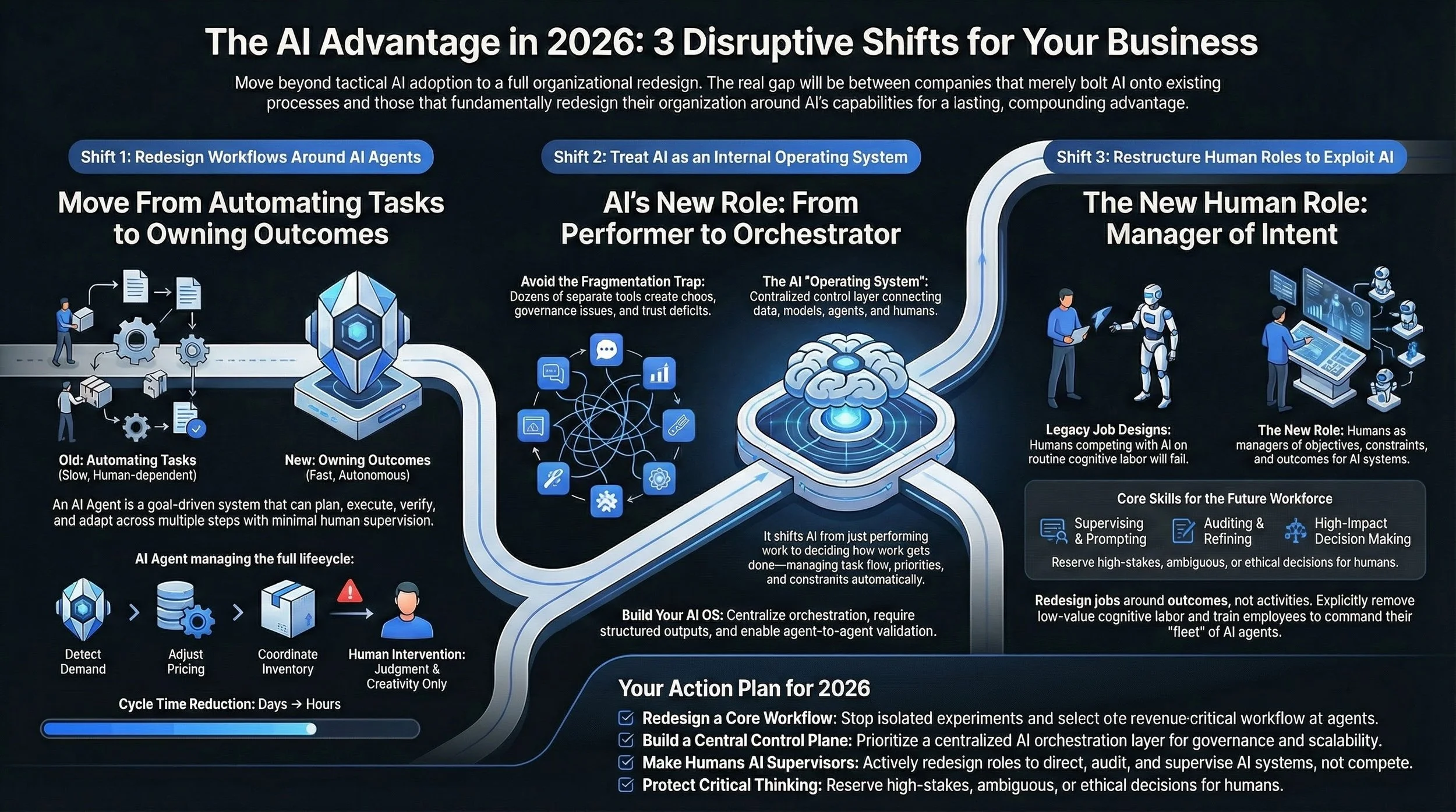
Artificial intelligence is embedded into the business as usual. Companies use AI technology in customer support, sales, marketing, and workflow automation. However, many companies are beginning to pivot in 2026. They are opting for the more flexible and transparent alternatives rather than relying on closed AI systems.
There are a couple of good reasons why this is happening.
Why are Closed AI Tools a Problem?
In closed ai platforms, for example, organizations often experience limitations in the way they can leverage those proprietary systems of theirs. Many problems arise as a result of:
- Limited customization
- High subscription costs
- Vendor lock-in
- Restricted access to data
- Opacity in AI Models
Businesses today want more control. They are reluctant to be dependent on a single provider for mission-critical functions.
So, as AI turns into a long-term bet, organizations are paying more attention to ownership, privacy, and scalability.
So Why are Open and Fair-Core Models on the Rise?
More organizations are now considering open-source and fair-core solutions. A fair-core AI chatbot builder approach gets businesses in on-core features, while allowing developers to customize and scale the platform as per need.
That balances openness and commercial sustainability better. That allows companies to experience their platform with heavier restrictions − while still having direct access to a professional resource and updates when needed.
Developers also like platforms that enable integrations with tools and workflows they already use. Flexibility, not packaged but limited systems, becomes the currency.
Major Concern is Data Privacy
When it comes to healthcare, finance, and SaaS, data privacy is a matter of great importance. Businesses must understand where their data is being stored and how the AI models are using the data.
Closed AI tools can sometimes be a concern because a business has no way of controlling the infrastructure or hosting they are using.
This is why self-hosted AI solutions are gaining traction. They enable companies to manage security policies, compliance requirements, and sensitive customer data in-house.
And considering it is a self-hosted, fair-core licensed AI chatbot and workflow automation platform, no wonder it draws increased interest − platforms like Hexabot were designed for businesses and developers who want to shape even more control over their project novelties, and above all − customization.
Businesses Want Better Workflow Automation
AI is more than chatbots any longer. Thus, now companies are demanding end-to-end automation systems that can integrate support, CRM, analytics, and the internal processes.
So, modern businesses require tools that:
- Automate repetitive tasks
- Improve response times
- Connect with third-party applications
- Support multi-channel communication
- Scale with growing customer demand
It is the level of flexibility that closed systems often cannot provide.
How will AI Tools Affect Business in Near Future?
The AI landscape is maturing in 2026. They analyzed the data, and therefore, started making smart business decisions, and so, not just went along with trends.
They have also embraced platforms with greater transparency, customization, and long performance horizons. Free and open ecosystems, along with fair-core models permissive deployment policies are enabling companies to customize AI systems to their specific needs.
With this transition, flexible platforms are expected to dominate the future of AI implementation in different sectors. What businesses now want are tools which they can actually control, build on, and scale with over time.
About the Author