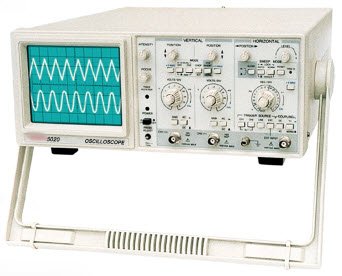
A cathode ray oscilloscope (CRO) provides an illuminating insight into the world of electronic signals. With its mesmerizing display of waveforms dancing across the screen, the CRO truly is a marvel of modern technology. By harnessing the power of electron beams and magnetic fields, the CRO showcases the beauty of electrical phenomena in real-time. Dive into this article to uncover the secrets and functionalities of the cathode ray oscilloscope that have revolutionized the way we analyze and understand electronic signals.

The Wonders of the Cathode Ray Oscilloscope
Welcome, young scientists, to the world of the cathode ray oscilloscope (CRO)! Today, we are going to dive deep into this amazing device that helps us visualize electronic signals in a whole new way. So, put on your imaginary lab coats and let’s embark on this electrifying journey!
What is a Cathode Ray Oscilloscope?
Imagine a magic box that can show you the invisible world of electricity. That’s what a cathode ray oscilloscope does! In simple terms, a CRO is a tool used to display and analyze the waveform of electronic signals. It’s like having a superpower to see what’s happening inside electronic circuits.
Inside a CRO, there is a special tube called a cathode ray tube (CRT), which is the heart of this amazing device. The CRT fires a beam of electrons onto a fluorescent screen, creating a glowing line that moves and dances according to the electronic signals it receives. It’s like having a tiny electron ballet right in front of your eyes!
Parts of a Cathode Ray Oscilloscope
Now, let’s take a closer look at the different parts of a cathode ray oscilloscope:
1. Vertical Amplifier
The vertical amplifier controls the vertical position of the electron beam on the screen. It helps us see how the voltage of the signal changes over time. Think of it as the up-and-down motion of our electron dancers!
2. Horizontal Amplifier
The horizontal amplifier controls the horizontal position of the electron beam, allowing us to see how the signal evolves over time. It’s like the left-and-right dance moves of our electron performers!
3. Timebase Generator
The timebase generator sets the time scale on the screen. It determines how fast or slow the signal is displayed, helping us analyze the timing of events in the circuit. It’s like the conductor of our electron orchestra!
4. Trigger Circuit
The trigger circuit synchronizes the electron beam with the input signal, ensuring a stable display on the screen. It’s like the choreographer who keeps our electron dancers in perfect rhythm!
How Does a Cathode Ray Oscilloscope Work?
Now that we know the parts, let’s see how a cathode ray oscilloscope actually works. Imagine we want to observe the voltage of a simple circuit with a CRO:
1. We connect the probe of the CRO to the circuit where we want to measure the voltage.
2. The input signal from the circuit is sent to the vertical amplifier, which controls the up-and-down movement of the electron beam on the screen.
3. The horizontal amplifier determines how the signal is displayed over time, showing us the waveform of the voltage.
4. The timebase generator helps us adjust the time scale so we can see the voltage changes in detail.
5. The trigger circuit ensures that the electron beam is synchronized with the input signal, giving us a stable and clear display.
And just like that, we can now see the voltage waveform of our circuit in action, thanks to the magical powers of the cathode ray oscilloscope!
Applications of Cathode Ray Oscilloscope
Now, let’s explore some of the amazing things we can do with a cathode ray oscilloscope:
1. Testing Electronic Circuits
CROs are essential tools for testing and troubleshooting electronic circuits. They help engineers and technicians visualize signals, identify issues, and make precise measurements to ensure the smooth operation of electronic devices.
2. Signal Analysis
With a CRO, we can analyze various types of signals, such as sine waves, square waves, and pulses. By examining the waveform characteristics, we can understand the behavior of signals and make informed decisions in circuit design and analysis.
3. Frequency Measurement
CROs can also be used to measure the frequency of signals. By counting the number of wave cycles displayed on the screen over a specific time period, we can accurately determine the frequency of the signal, which is crucial in many electronic applications.
4. Educational Purposes
Cathode ray oscilloscopes are valuable educational tools for teaching students about electronics and signal processing. They provide a visual representation of abstract concepts, making it easier for learners to grasp complex theories and principles.
Benefits of Using a Cathode Ray Oscilloscope
So, why should we use a cathode ray oscilloscope? Here are some of the fantastic benefits:
1. Visual Representation
A CRO converts abstract electrical signals into visual waveforms, making it easier to analyze and understand the behavior of circuits. It’s like having a secret decoder to unlock the mysteries of electricity!
2. Precise Measurements
With the help of a CRO, we can make accurate measurements of voltage, frequency, and waveform characteristics with high precision. This allows engineers and scientists to design and troubleshoot circuits with confidence.
3. Real-Time Monitoring
CROs provide real-time monitoring of signals, allowing users to observe changes and anomalies as they happen. This feature is crucial for detecting faults, diagnosing problems, and ensuring the proper functioning of electronic systems.
4. Versatility
From testing audio equipment to debugging digital circuits, a cathode ray oscilloscope is a versatile tool that can be used in a wide range of applications. Its flexibility and adaptability make it a must-have instrument in any electronics laboratory.
Congratulations, young scientists, on completing your crash course in the wonders of the cathode ray oscilloscope! We’ve explored the inner workings of this magical device, learned about its parts and functions, and discovered the incredible applications and benefits it offers.
Next time you encounter a mysterious electronic signal, remember the power of the cathode ray oscilloscope and how it can help you unravel the secrets of electricity. Keep exploring, keep experimenting, and who knows what wonders you’ll discover in the fascinating world of electronics!
The Cathode ray oscilloscope C.R.O-Physics-Cathode rays
Frequently Asked Questions
What is a cathode ray oscilloscope used for?
A cathode ray oscilloscope (CRO) is a device used to visualize and analyze the waveform of electronic signals in real-time. It is commonly used in various fields such as electronics, telecommunications, engineering, and physics for measuring voltage, frequency, and time intervals of signals.
How does a cathode ray oscilloscope work?
A cathode ray oscilloscope works by using an electron beam generated from a cathode gun. The electron beam is deflected by electric fields as it moves across a screen coated with phosphor, creating a visual representation of the signal waveform. By controlling the beam’s position and intensity, the CRO can display various signal parameters accurately.
What are the key components of a cathode ray oscilloscope?
The key components of a cathode ray oscilloscope include the cathode gun, deflection plates, focusing and accelerating anodes, horizontal and vertical amplifiers, timebase controls, and the screen coated with phosphor. These components work together to generate, deflect, and display the electronic signals accurately.
How is the vertical sensitivity adjusted on a cathode ray oscilloscope?
The vertical sensitivity on a cathode ray oscilloscope is adjusted by setting the volts per division (V/Div) control. This control allows the user to change the scale of the vertical axis, determining how much voltage is represented by each vertical division on the screen. By adjusting the V/Div setting, users can accurately measure and analyze signals of varying amplitudes.
What are the benefits of using a cathode ray oscilloscope for signal analysis?
Using a cathode ray oscilloscope for signal analysis offers several benefits, including the ability to visualize waveforms in real-time, accurately measure voltage and time parameters, identify signal distortions or abnormalities, and troubleshoot electronic circuits efficiently. Its versatility and precision make it an essential tool for engineers, technicians, and researchers in various fields.
Final Thoughts
In conclusion, the cathode ray oscilloscope is an essential tool for visualizing and analyzing electrical signals in various applications. Its ability to display waveforms in real-time allows for accurate measurements and troubleshooting in electronic circuits. By providing a visual representation of signals, the cathode ray oscilloscope enables engineers and technicians to make informed decisions quickly. Its versatility and reliability make it an indispensable instrument in laboratories, workshops, and classrooms. Mastering the functions of a cathode ray oscilloscope can greatly enhance one’s understanding of electronics and signal analysis.
About the Author