
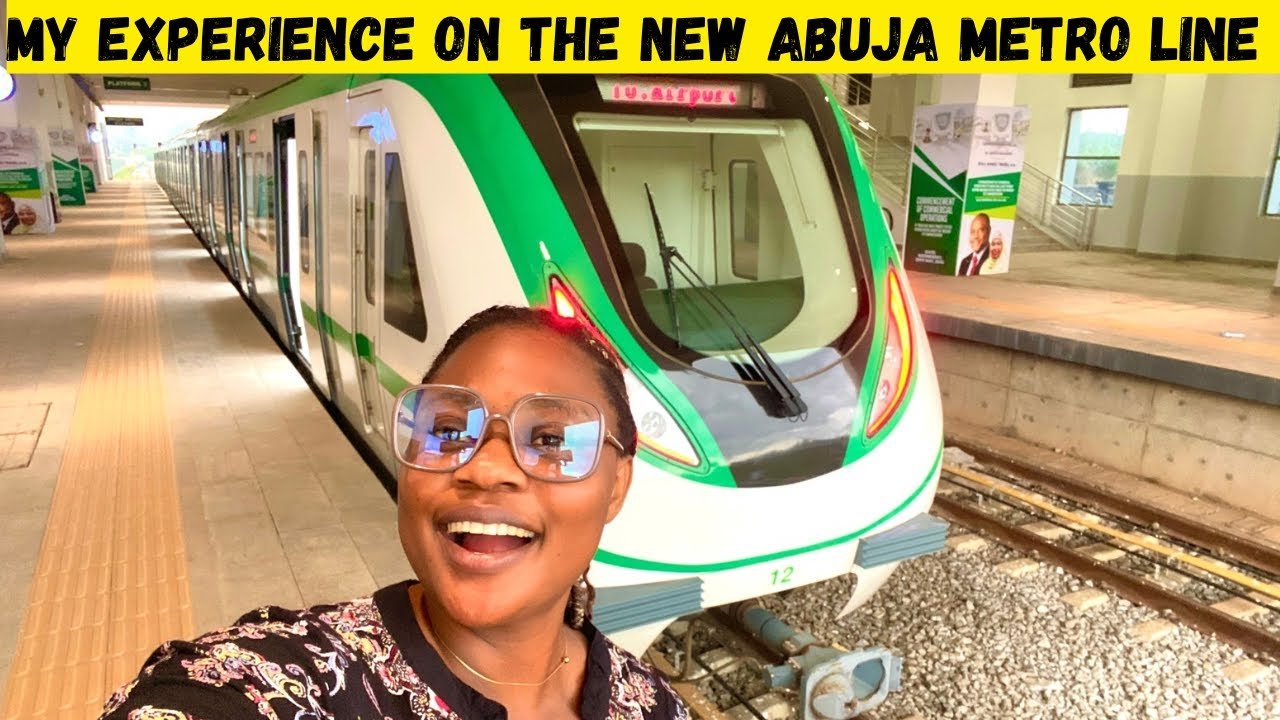
Abuja Metro Station, a hub of bustling activity and vibrant energy, where commuters from all walks of life converge. Serving as a lifeline for the city’s transportation needs, this modern marvel seamlessly connects various neighborhoods. As trains come and go, the station pulses with a rhythm that mirrors the heartbeat of Abuja. Stepping onto the platform, one is enveloped in a whirlwind of sights and sounds, a symphony of urban life. Welcome to Abuja Metro Station, where the city’s pulse thrives.

Exploring the Marvels of Abuja Metro Station
Welcome aboard as we delve into the wonders of Abuja Metro Station, the beating heart of Nigeria’s capital city! This bustling hub of activity serves as a vital link for commuters, tourists, and locals alike. Join us on a virtual journey through this urban marvel as we uncover its history, features, and the exciting experiences it offers.
The History Behind Abuja Metro Station
Abuja Metro Station stands as a testament to the modernization efforts of Nigeria, with a rich history dating back to its inception. The station was inaugurated in 2006 and has since played a crucial role in connecting different parts of the sprawling city of Abuja. From its humble beginnings to its current status as a key transportation hub, the evolution of Abuja Metro Station is a fascinating tale of progress and development.
Features of Abuja Metro Station
Step inside Abuja Metro Station, and you’ll be greeted by a bustling atmosphere teeming with energy and excitement. The station boasts state-of-the-art facilities, including modern ticketing systems, comfortable seating areas, and convenient access ramps for disabled passengers. The vibrant interiors are adorned with colorful artworks that reflect the cultural heritage of Nigeria, creating a welcoming ambiance for travelers.
One of the standout features of Abuja Metro Station is its eco-friendly design, incorporating sustainable practices such as energy-efficient lighting and waste management systems. The station’s commitment to environmental conservation sets it apart as a forward-thinking transportation hub that prioritizes sustainability.
Exploring the Surroundings of Abuja Metro Station
Step outside Abuja Metro Station, and you’ll find yourself in the heart of a bustling metropolis brimming with life and diversity. The surrounding area is a vibrant mix of shops, restaurants, and cultural landmarks that offer a glimpse into the soul of Abuja. Take a leisurely stroll through the nearby markets, where the sights and sounds of local vendors selling their wares create a sensory feast for visitors.
For history buffs, a visit to the National Mosque and Aso Rock is a must, providing a deeper understanding of Nigeria’s cultural heritage and significance. The proximity of these iconic landmarks to Abuja Metro Station makes it a convenient starting point for exploring the city’s rich history and traditions.
Benefits of Using Abuja Metro Station
Whether you’re a daily commuter or a first-time visitor to Abuja, utilizing Abuja Metro Station offers a myriad of benefits. The station provides a safe, reliable, and cost-effective mode of transportation, alleviating the stress of navigating the city’s congested streets. With its efficient train schedules and connectivity to key destinations, Abuja Metro Station streamlines the travel experience for passengers of all ages.
Another advantage of using Abuja Metro Station is the opportunity to engage with the local community and immerse yourself in the vibrant culture of Nigeria. Interacting with fellow travelers and exploring the diverse neighborhoods surrounding the station fosters a sense of connection and belonging, enriching your overall experience in Abuja.
Future Developments and Expansion Plans
As Abuja continues to grow and evolve, so too does the vision for Abuja Metro Station. Future development plans aim to enhance the station’s infrastructure, expand its reach to new destinations, and incorporate innovative technologies to improve the passenger experience. With a focus on sustainability and efficiency, these expansion projects promise to elevate Abuja Metro Station to new heights of excellence.
Conclusion
In conclusion, Abuja Metro Station stands as a shining example of progress and innovation in Nigeria’s capital city. From its humble beginnings to its current status as a bustling transportation hub, the station embodies the spirit of modernization and connectivity. Whether you’re a traveler exploring Abuja for the first time or a local resident navigating the city’s bustling streets, Abuja Metro Station offers a gateway to unforgettable experiences and lasting memories. So hop aboard, and let the journey begin!
Nigeria’s Airport Train – The Abuja Metro Light Rail You Never Heard (Just like London And Qatar)
Frequently Asked Questions
What are the operating hours of Abuja Metro Station?
The Abuja Metro Station operates from 6:00 AM to 10:00 PM daily, providing convenient access to commuters during peak hours.
How can I purchase tickets for the Abuja Metro?
You can purchase tickets for the Abuja Metro at the ticket counters located within the station premises. Ticket vending machines are also available for quick and easy transactions.
Are there facilities for individuals with disabilities at the Abuja Metro Station?
Yes, the Abuja Metro Station is equipped with facilities to accommodate individuals with disabilities, including elevators, ramps, and designated seating areas for easy access and convenience.
Is there parking available near the Abuja Metro Station?
Yes, there are parking facilities available near the Abuja Metro Station for commuters who prefer to drive to the station. It provides convenient access for those using personal vehicles.
Final Thoughts
In conclusion, Abuja Metro Station serves as a pivotal transportation hub in the capital city. Its modern design and efficient services cater to the needs of commuters, providing a convenient and reliable mode of transportation. With its strategic location and seamless connectivity, Abuja Metro Station plays a vital role in enhancing the city’s infrastructure and promoting sustainable urban development. It is a testament to progress and innovation in Nigeria’s transportation sector, serving as a model for future metro systems in the country.
About the Author